1,050 acres of prairie bought in 2019 and first planned around 1-acre lots, now moving toward high density. We follow every annexation, rezone, and development agreement.
The City of Coeur d'Alene will hold a reconsideration hearing on Coeur Terre 2 (item S-2-26 AA) on Monday, October 26, 2026, at 5:00 p.m. in the Coeur d'Alene Public Library Community Room. Neighbor Madelyn Knutson has asked the City Council to reconsider its August 31 approval of the 202-acre subdivision. The public may testify for three minutes each on the deficiencies her request identifies.
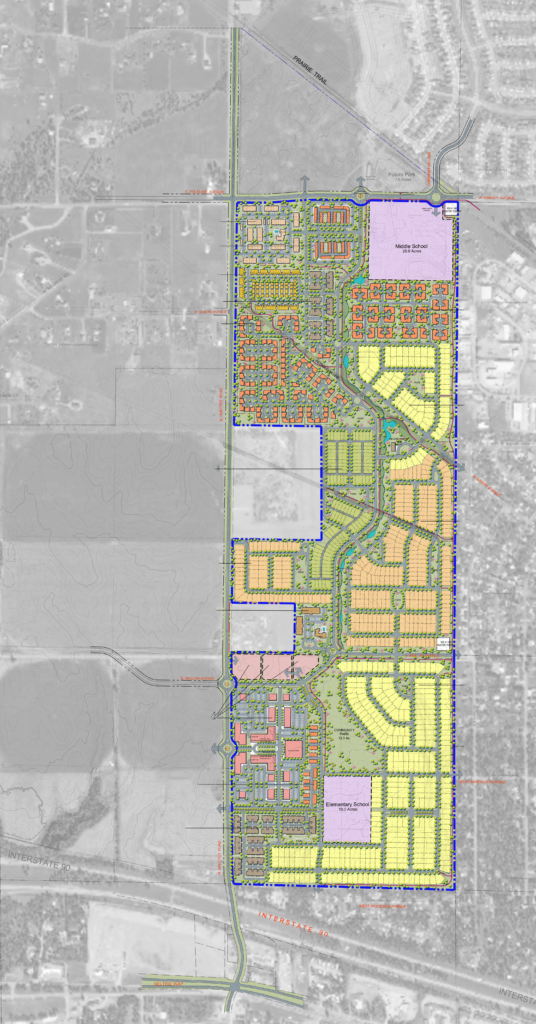
Coeur Terre Phase 2 is a 202-acre subdivision of up to 506 homes and a public elementary school site on Huetter Road in Coeur d'Alene. This community technical review of the CivTech Traffic Impact Analysis (Project No. 25-0340, 2nd submittal, April 2026) found six errors, each tied to a page of the study. The one that matters most: the 2035 result at Huetter and Mullan depends on median storage that no document says anyone will build.
The Coeur d'Alene City Council approved the Coeur Terre 2 subdivision 5-1 on August 31, 2026, after a special hearing of more than five hours on a neighbor's appeal. Traffic was the main concern raised against it, and the approval carries 32 conditions.
About this effort
What is Coeur Terre?
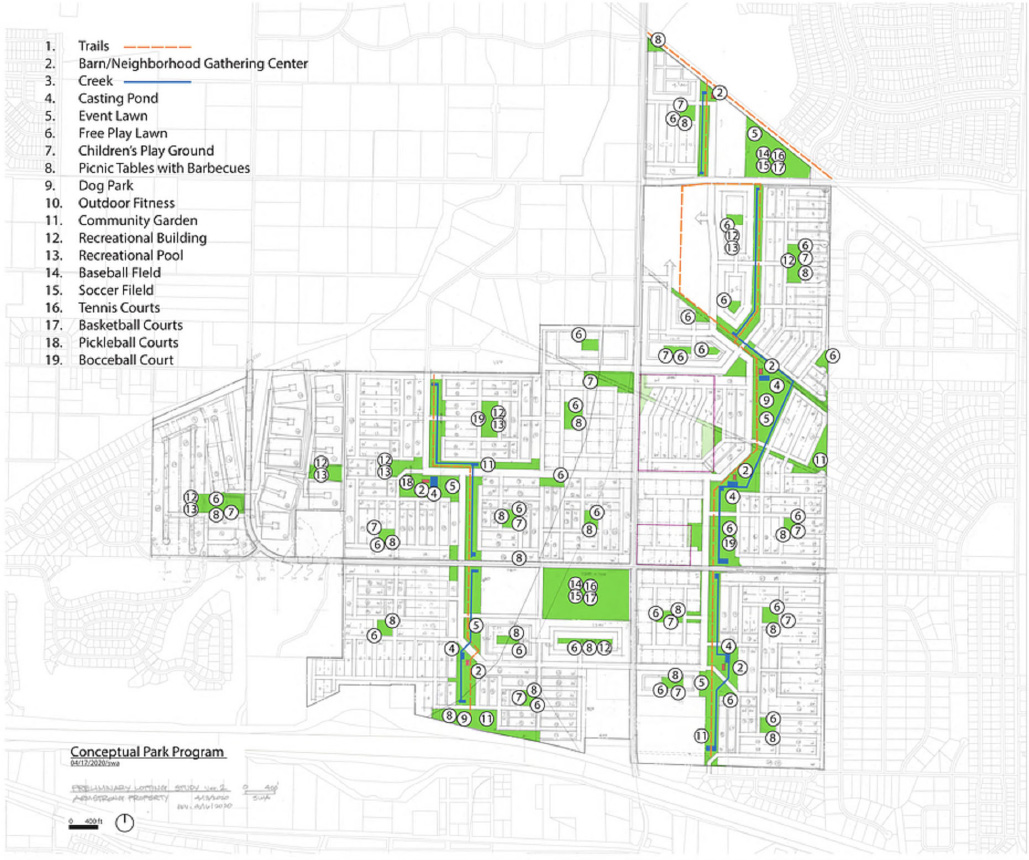
In 2019, Kootenai County Land Co. (in partnership with Lakeside Companies) acquired 1,050 acres on the prairie of Kootenai County. The original design was in closer alignment with the neighboring properties being 1 acre or better layouts.
It is incorrect to say that the Coeur Terre project promotes orderly growth, preserves the quality of Coeur d’Alene, protects the environment, promotes economic prosperity, and fosters the safety of the residents. It must do this to comply with both the Idaho State Code and the Coeur d’Alene Planning Commission’s charter. An argument that this was part of the 2040 planning document does not make it valid for growth. The planning document contains many inaccuracies around development and economics.
The density proposed for the 442 acres is city development, not a simple, small residential development. In addition, the proposal does not account for the new development to the North and the lack of roads, schools, and other needs for long-term growth and to ensure the quality of Coeur d’Alene remains intact.
The total potential development area is nearly half the size of the City of Coeur d’Alene proper, south of I-90, much of the same density, less green space (by almost 60%), fewer roads less access to transportation, and less ability for local stores.